
Member in Focus: Citylinx
Citylinx (BeeZeeLinx) was founded in 2018 in Vannes, Brittany - France. The core business of the software company is automated city operations and hypervision. Currently the company controls worldwide more than 3 million connected assets across 300+ cities in 33 countries.
Sophie, what is your role in Citylinx?
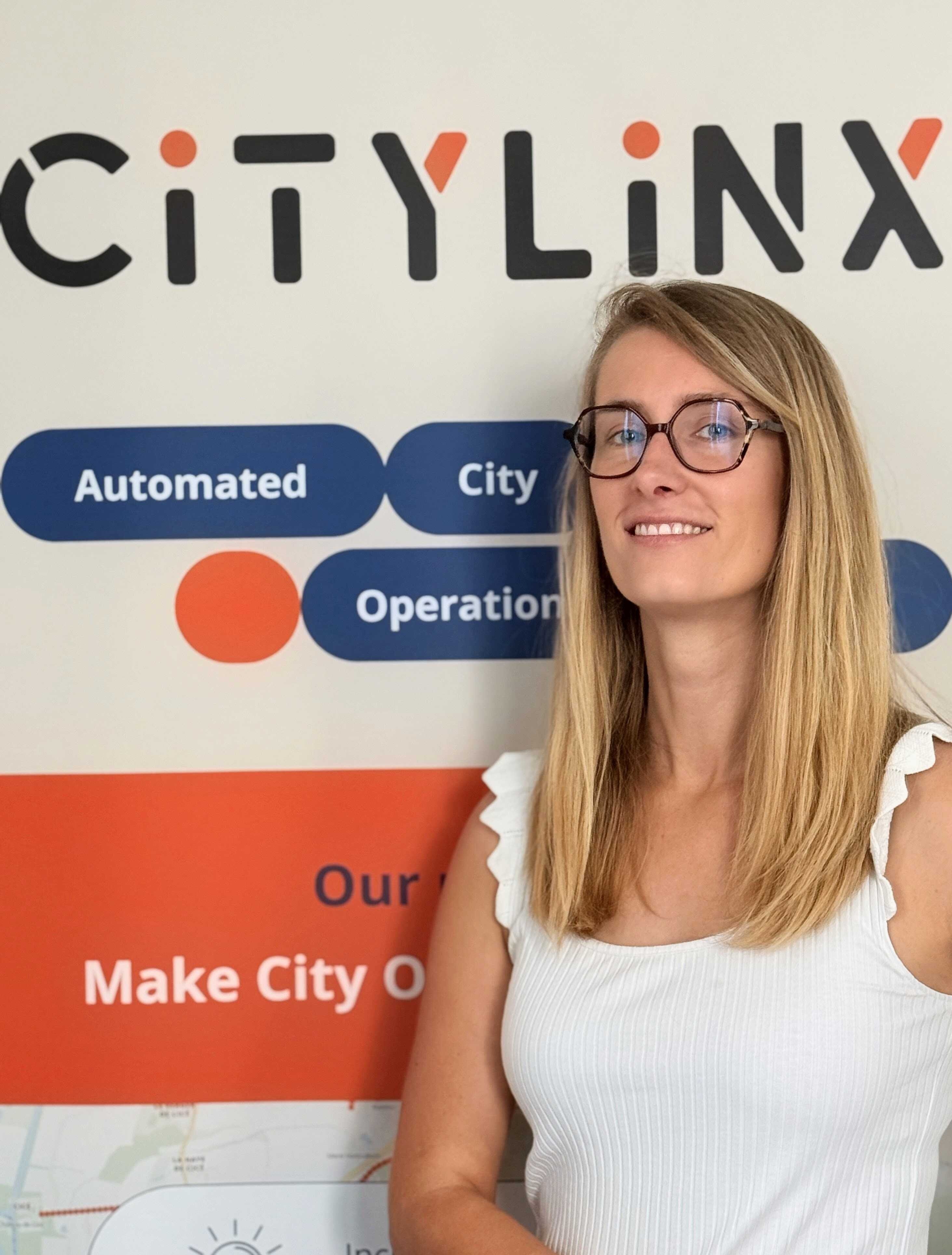 Sophie Soufflet, Chief Sales & Marketing Officer
As Chief Sales and Marketing Officer at Citylinx, I wear several hats: I lead our global commercial strategy, oversee our marketing and communications initiatives, and drive our overall growth engine.
My mission spans the entire customer journey from positioning Citylinx as a leading open platform for smart cities, to structuring our sales organization and building strong partner ecosystems. In short,
I make sure our value proposition is crystal clear, our brand lights in the market, and our sales team turns market opportunities into long-term customer successes.
What is the service offer of your company?
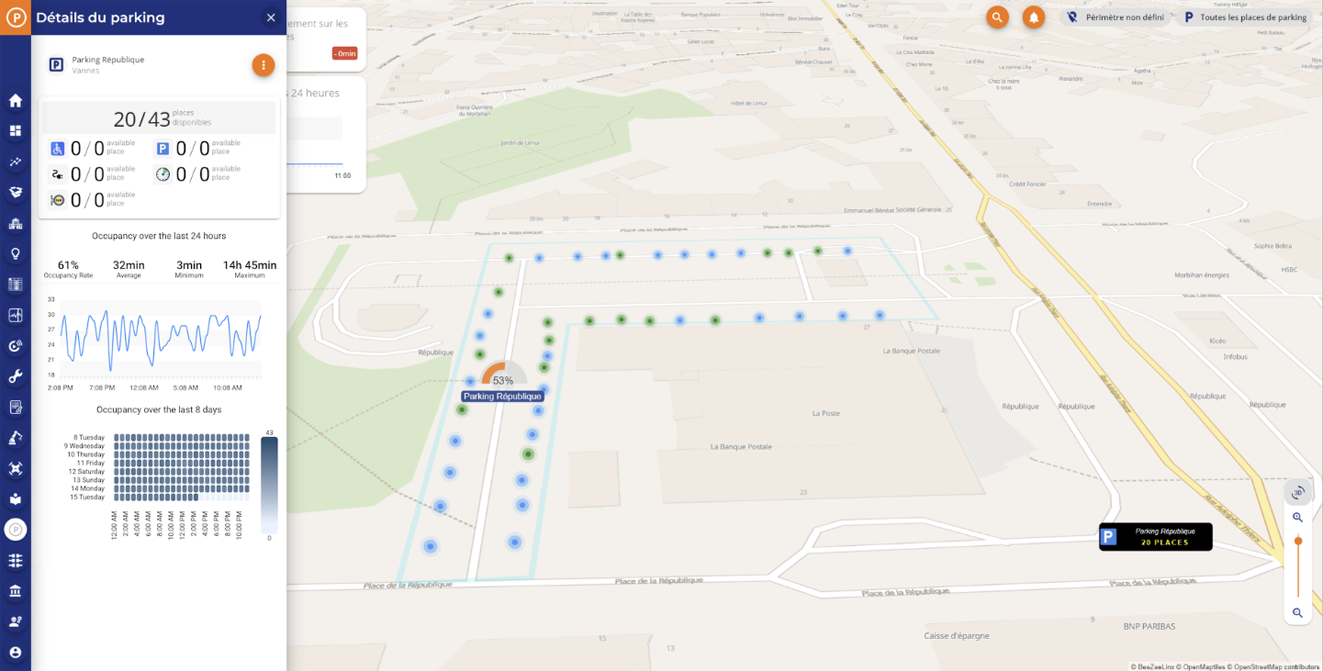
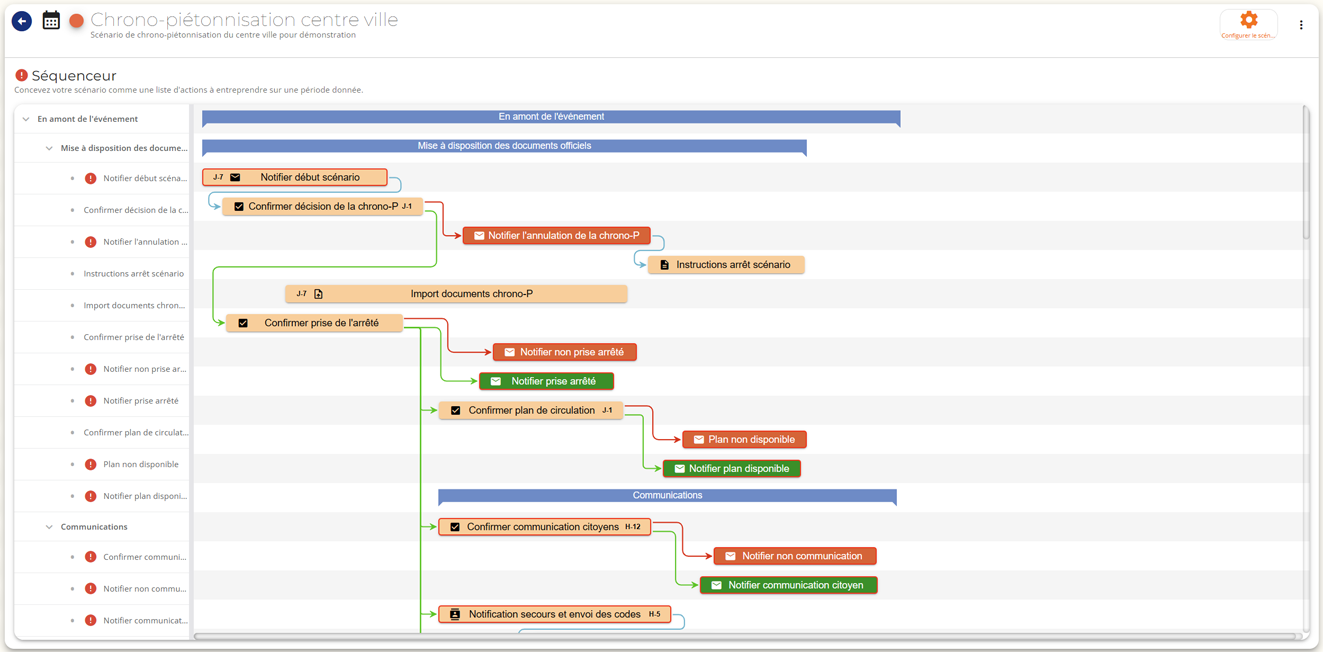
Citylinx develops an open, vendor-agnostic software platform for Automated City Operations. Our platform integrates and hypervises multiple connected urban assets (including intelligent public lighting, energy efficiency, traffic counting, and smart parking) into a unified interface.
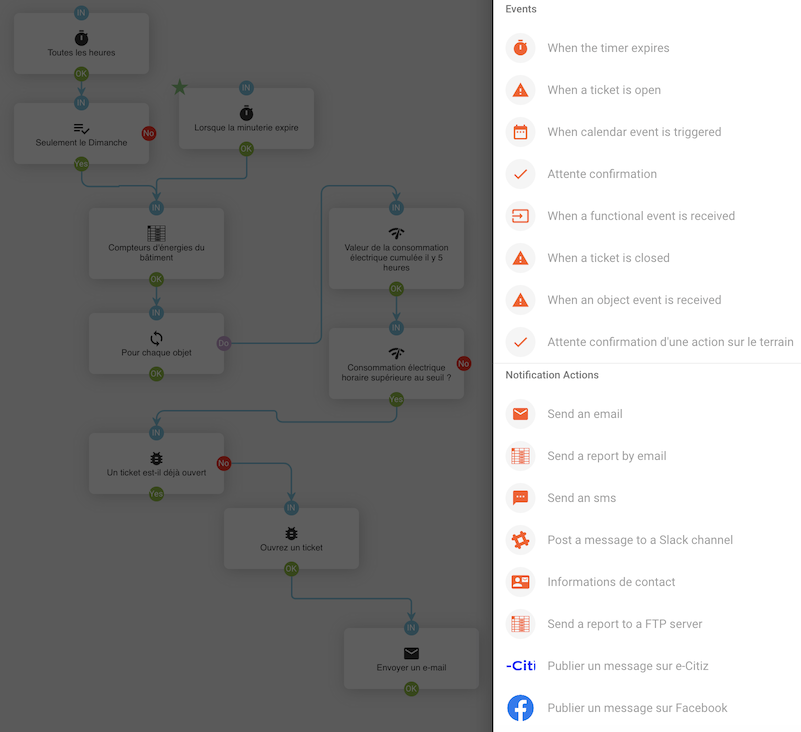
By converting complex data from multi-supplier sensors into automated workflows and standard operating procedures (SOPs), Citylinx empowers city operators to save energy, streamline maintenance, and optimize daily operations.
Why did your organization join TALQ?
Citylinx was built on the core values of interoperability, openness, and avoiding vendor lock-in. Municipalities and energy utilities manage heterogeneous urban infrastructure from various suppliers.
Joining the TALQ Consortium allows us to guarantee our customers full control over their data, seamless integration with certified multi-vendor central management systems (CMS) and outdoor lighting control networks (OLN), and long-term scalability.
What are the biggest challenges for Smart Cities in the next 5 years?
 Cities face rising energy costs, volatile budgets, and aging infrastructure, all while operating with limited staff and resources. Cities often struggle with fragmented systems from multiple suppliers that don't communicate with each other.
Avoiding proprietary, closed ecosystems to ensure long-term sustainability, open data standards, and cybersecurity.
What do you personally like within TALQ?
I deeply value TALQ’s commitment to driving open standards and true interoperability in the Smart City industry.
It creates a collaborative ecosystem where tech vendors, service operators, and municipalities can align on standard protocols, preventing proprietary monopolies and fostering innovation.
Your favourite TALQ function or profile?
My favorite TALQ profile is always the very latest specification, and right now, that’s the DALI profile.
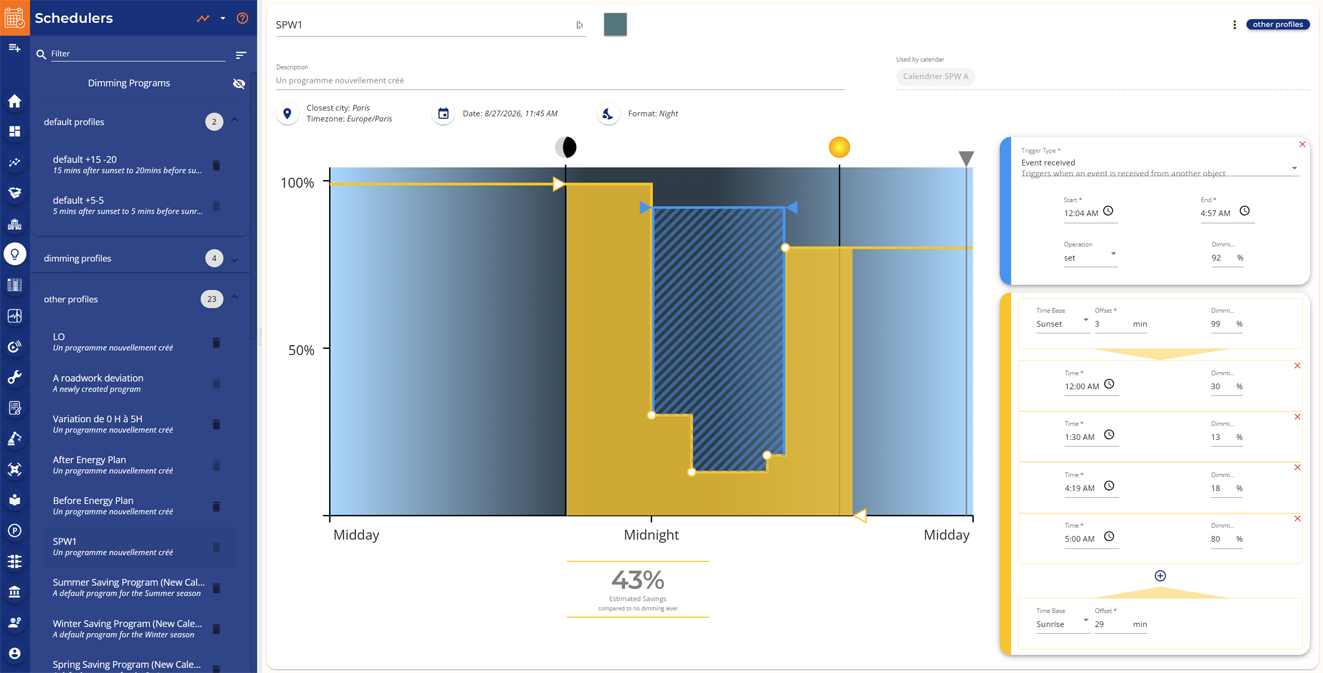
The newest release is what truly drives our business forward: it allows us to unlock advanced capabilities, expand the smart lighting ecosystem, and provide our customers with a genuinely open, future-proof platform. From a commercial perspective, adopting the latest profile keeps us aligned with market demands.
Your favourite TALQ moment?
Exchanging insights with fellow consortium members at international smart city events, where we share real-world operator success stories and see firsthand how standardized protocols accelerate smart lighting and smart city adoption worldwide.
More information about
Case Studies involving Citylinx
Download
Case Study Brussels
Download
Case Study Calais
 follow TALQ