
TALQ Consortium releases version 2.7.0 of its interface standard
Published on 2026-02-27
New Smart City Protocol Version Further Increases Interoperability through DALI D4i TALQ Zhaga Profiles
The TALQ Consortium has just released Version 2.7.0 of its Smart City Protocol, a global interface standard for smart city device networks. The continuous evolution of the protocol ensures that it constantly adapts to changing market requirements. The new Version 2.7.0 represents an important step forward in advancing standardised interoperability for smart outdoor lighting and smart city infrastructures by embracing three important updates. The main highlight is the integration of DALI D4i functionalities, developed jointly in close collaboration with the DALI Alliance and the Zhaga Consortium. The other two updates reinforce consistency within the existing Lighting Profile and increase the flexibility of manufacturers, thanks to vendor-defined events. As before, the updated TALQ Specification (both data model and OpenAPI definitions) is available publicly and free of charge via GitHub.
Analysing and prioritising feedback from cities, utilities, members, partners and other smart city experts to refine and improve the protocol has been an ongoing process since the founding of the consortium. Over the past month, TALQ has included several new functionalities and applied some minor corrections to the protocol standard with the goal of improving and simplifying its use further. The TALQ Specification Version 2.7.0 was officially released in February 2026.
Enhanced data clarity and standard alignment for interoperable outdoor lighting solutions
The liaison and coordinated effort among the DALI Alliance, the Zhaga Consortium and the TALQ Consortium strengthen alignment between key international standards and supports consistent, transparent and reliable data exchange in complex multi-vendor system integrations across connected street lighting networks. The new version introduces the two new profiles ‘DALI D4i Luminaire TALQ Zhaga Profile’ and ‘DALI D4i Sensors TALQ Zhaga Profile’. All functionalities defined within these profiles are mandatory.
With a comprehensive, standardised feature set, the new profiles reduce implementation variability and ensure certified products implement a complete, clearly defined scope of functions. The mandatory approach strengthens interoperability by ensuring predictable system behaviour across vendors and technologies, providing greater confidence for manufacturers, system integrators, utilities, and cities deploying multi-vendor solutions. The integration of DALI D4i also introduces explicitly defined, source-specific attributes for DALI devices within the TALQ data model. By clearly distinguishing DALI-originated data, Version 2.7.0 enhances semantic clarity and ensures consistent interpretation of device information across systems that may incorporate multiple underlying technologies.
Strengthened requirements for the Lighting Profile
In addition, Version 2.7.0 reinforces consistency within the existing Lighting Profile. The ‘Lamp Actuator’ and ‘Lamp Monitor’ functions will be mandatory for all Gateways implementing the TALQ Lighting Profile – now aligning Gateway requirements with those already established for Central Management Software (CMS). Previously, certification was possible with only one of the two functions implemented.
The Lighting Profile update ensures a complete implementation of essential lighting control and monitoring capabilities, further strengthening the reliability and functional consistency of TALQ-certified systems.
Increased flexibility with vendor-defined events
The new Version 2.7.0 also expands flexibility for manufacturers by introducing support for vendor-defined events, following the structured approach already established for vendor attributes. This enhancement allows vendors to extend their functionalities while remaining fully aligned with the standardised TALQ framework.
“With Version 2.7.0, we continue to advance our mission of enabling scalable, future-proof, and interoperable smart city ecosystems. The close collaboration with DALI and Zhaga and the introduction of fully standardised profiles reflect our ongoing commitment to reducing fragmentation and fostering competition within the smart outdoor lighting industry,” summarises Simon Dunkley, Secretary General of the TALQ Consortium, regarding the new protocol release.
By requesting TALQ-certified smart city applications in public tenders, cities can avoid vendor lock-in and can rely on data interoperability when monitoring and controlling devices in smart city ecosystems.
The TALQ Smart City Protocol Version 2.7.0 is available to software developers for download via the GitHub repository.
Entire press release (English) as pdf
NOTA DE PRENSA (Español)
El Consorcio TALQ lanza la versión 2.7.0 de su estándar de interfaz
La nueva versión del Protocolo Smart City impulsa aún más la interoperabilidad mediante los perfiles DALI D4i TALQ Zhaga
El Consorcio TALQ anuncia el lanzamiento de la versión 2.7.0 de su Protocolo Smart City, un estándar global de interfaz para redes de dispositivos de ciudades inteligentes. La evolución continua del protocolo garantiza su adaptación permanente a las nuevas exigencias del mercado.La nueva versión 2.7.0 representa un paso decisivo para impulsar la interoperabilidad estandarizada en el ámbito del alumbrado exterior inteligente y las infraestructuras de ciudad inteligente, incorporando tres actualizaciones clave. La principal novedad es la integración de las funcionalidades DALI D4i, desarrolladas conjuntamente en estrecha colaboración con la DALI Alliance y el Consorcio Zhaga. Las otras dos actualizaciones refuerzan la coherencia dentro del actual “Lighting Profile” y aumentan la flexibilidad para los fabricantes mediante la incorporación de eventos definidos por el proveedor (vendor-defined events).Como en versiones anteriores, la Especificación TALQ actualizada —incluyendo tanto el modelo de datos como las definiciones OpenAPI— está disponible públicamente y de forma gratuita a través de GitHub.
COMMUNIQUÉ DE PRESSE (Française)
Le Consortium TALQ lance la version 2.7.0 de sa norme d’interface
La nouvelle version du protocole de ville intelligente continue de renforcer l’interopérabilité grâce aux profils DALI D4i TALQ Zhaga
Le Consortium TALQ vient de publier la version 2.7.0 de son protocole de ville intelligente, une norme d’interface internationale pour les réseaux de dispositifs des villes intelligentes. L’évolution continue du protocole veille à son adaptation constante aux exigences changeantes du marché. La nouvelle version 2.7.0 représente une avancée significative dans le développement de l’interopérabilité standardisée pour l’éclairage extérieur intelligent et les infrastructures urbaines intelligentes grâce à trois mises à jour importantes. La principale nouveauté est l’intégration des fonctionnalités DALI D4i, développées en étroite collaboration avec l’Alliance DALI et le Consortium Zhaga. Les deux autres mises à jour renforcent la cohérence du profil d’éclairage existant et accroissent la flexibilité des fabricants, grâce à l’introduction d’événements définis par les fournisseurs. Comme auparavant, la version mise à jour de la Spécification TALQ (à la fois le modèle de données et les définitions OpenAPI) est disponible en accès libre et gratuit sur GitHub.
Communiquè de presse française (pdf)
PRESSEMELDUNG (Deutsch)
TALQ veröffentlicht Version 2.7.0 seines Schnittstellenstandards
Neue Version des Smart-City-Protokolls mit DALI-D4i-TALQ-Zhaga-Profilen erhöht Interoperabilität weiter
Das TALQ Konsortium hat die Version 2.7.0 seines Smart-City-Protokolls, ein globaler Schnittstellenstandard für Smart-City-Gerätenetzwerke, veröffentlicht. Die kontinuierliche Weiterentwicklung des Protokolls stellt sicher, dass es laufend an die sich verändernden Marktanforderungen angepasst wird. Die neue Version 2.7.0 ist, dank drei wichtiger Neuerungen, ein großer Schritt vorwärts auf dem Weg zu standardisierter Kompatibilität von intelligenter Straßenbeleuchtung und Smart-City-Infrastruktur. Das zentrale Highlight ist die Integration von DALI-D4i-Funktionalitäten, die in enger Zusammenarbeit mit der DALI Alliance und dem Zhaga Konsortium entwickelt wurden. Die beiden weiteren Updates stärken die Konsistenz innerhalb des bestehenden ‚Beleuchtungsprofils‘ und erhöhen über herstellerdefinierte Ereignisse die Flexibilität von Anbietern. Wie bisher ist die neueste TALQ-Spezifikation (sowohl das Datenmodell als auch die OpenAPI-Definitionen) öffentlich und kostenlos über GitHub verfügbar.
Vollständige Pressemeldung auf Deutsch als pdf
新闻稿
TALQ联盟发布接口标准2.7.0版
DALI D4i TALQ Zhaga 应用配置进一步提升新版智慧城市协议的互操作性
美国新泽西州皮斯卡塔韦 – 2026年2月27日 – TALQ联盟刚刚发布了为智慧城市设备网络打造的全球接口标准《智慧城市协议》2.7.0 版。协议的不断演进可确保接口标准顺应市场需求的变化。全新的2.7.0版本引入了三项重要更新,标志着联盟在推进智能户外照明和智慧城市基础设施的标准化互操作性方面又迈出了重要一步。主要亮点在于新版协议整合了在与DALI联盟和Zhaga联盟紧密协作下共同开发出的DALI D4i功能。另外两个更新不仅提升了现有照明应用配置的一致性,而且还借助供应商自定义事件为制造商带来更大灵活性。和之前一样,更新后的TALQ规范(包含数据模型和OpenAPI定义)现已通过GitHub公开发布并且可免费获取。
back to all news
Events
4 November 2026 - 4 November 2026
Making sense of city lighting data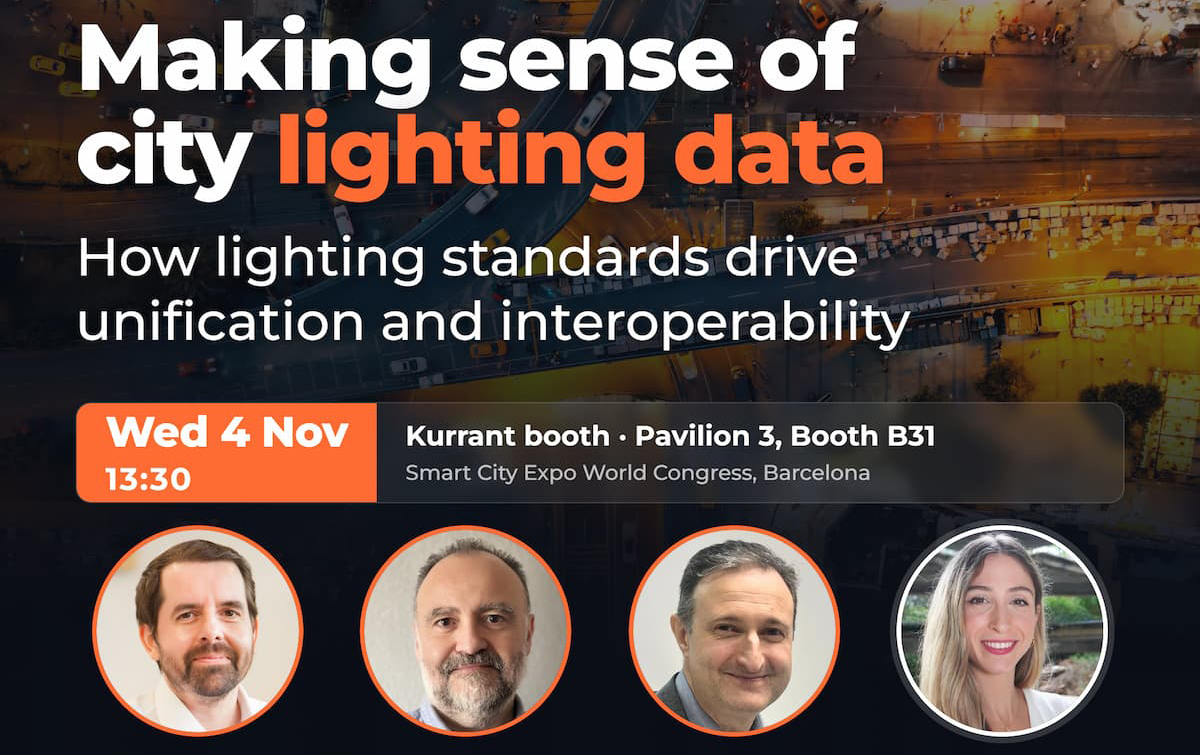
3 November 2026 - 5 November 2026
Smart City Expo World Congress (SCEWC) 2026
2 November 2026
Designing the night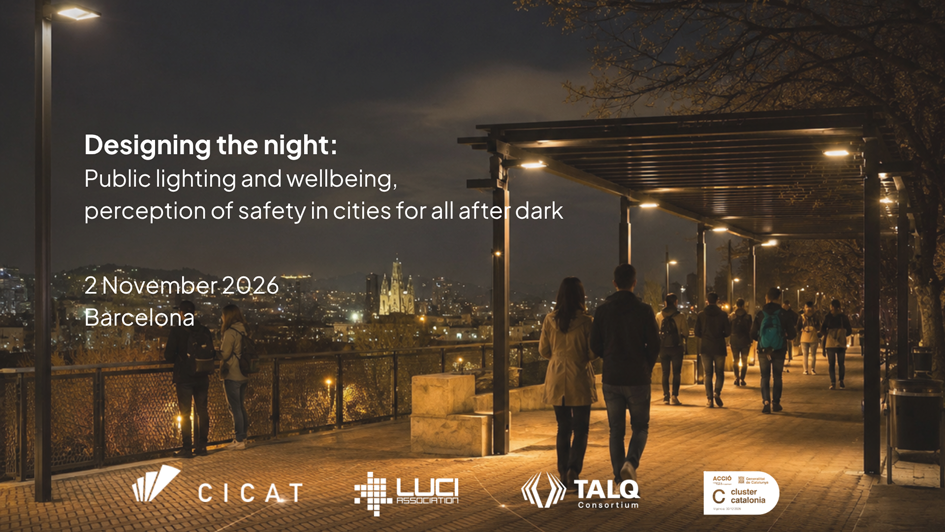
1 April 2026 - 1 April 2026
Webinar: From Poles to Platforms
 follow TALQ