
The Smart Way to Protect the Night Sky
Published on 2026-06-18
Interoperable smart street lighting systems provide a toolkit to reduce the adverse effects of ALAN and increase energy efficiency
The TALQ Consortium just published a white paper on how to manage artificial light at night (ALAN) better. While outdoor lighting remains essential for safety, mobility, and economic activity in urban areas, growing evidence shows that excessive or poorly managed lighting can have unintended consequences. Implementing interoperable smart street lighting solutions helps cities to introduce adaptive lighting strategies and adjust lighting levels flexibly based on real-time needs. In parallel these intelligent systems allow cities to reduce energy consumption and increase overall urban efficiency.
Artificial Light at Night (ALAN) is an increasingly recognised challenge for cities worldwide. A growing number of cities and municipalities are therefore re-evaluating how outdoor lighting is planned, operated, and integrated into broader urban systems. In parallel to the importance of social safety, cities evaluate how protect better affected ecosystems and biodiversity and to reduce energy waste and emissions. The basic question is how to dispense light more intelligently: providing (only) the right light, at the right place, at the right time.
The recently published white paper ‘Managing Artificial Light at Night (ALAN)’ explains how outdoor lighting control systems can help to reduce negative aspects of ALAN. Furthermore, it gives guidance for cities, utilities and other stakeholders on how to integrate reasoned ALAN concepts into urban planning and policy.
“With our latest paper we aim to support cities in finding flexible solutions to address the contradictory needs for public safety, protecting nature and acting in a sustainable and responsible way. Dynamic dimming and the variation of the light spectrum are only two examples out of a large bundle of options offered by smart adaptive lighting solutions. It makes us proud that the TALQ Standard interface helps to achieve various goals of ambitious smart cities.” comments Simon Dunkley, Secretary General of the TALQ Consortium, on the publication.
Downlaod the entire press release (pdf)
Downlaod the TALQ White Paper Managing Artificial Light at Night (ALAN)
back to all newsEvents
4 November 2026 - 4 November 2026
Making sense of city lighting data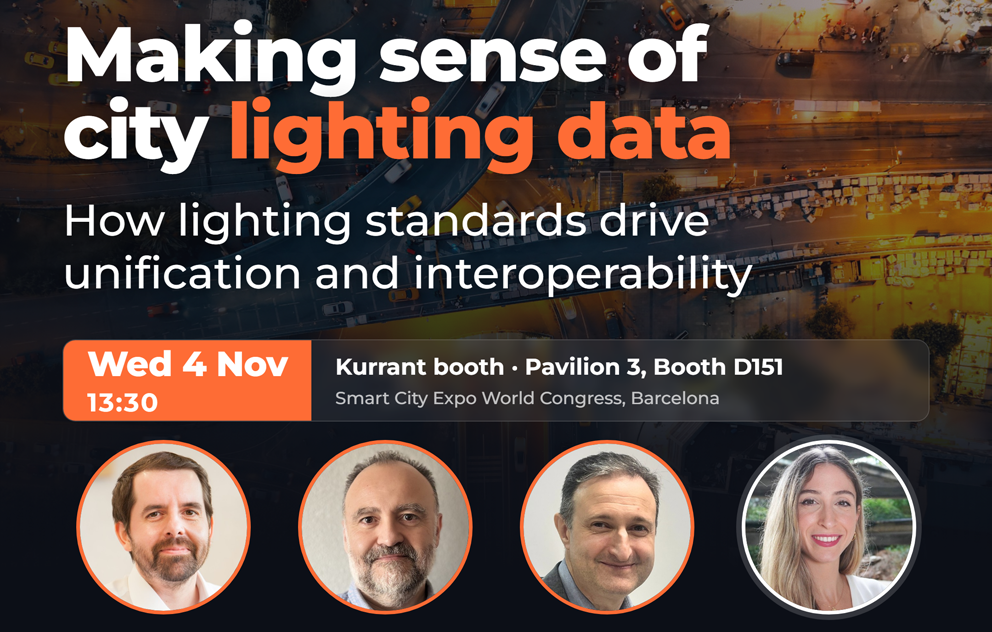
3 November 2026 - 5 November 2026
Smart City Expo World Congress (SCEWC) 2026
2 November 2026
Designing the night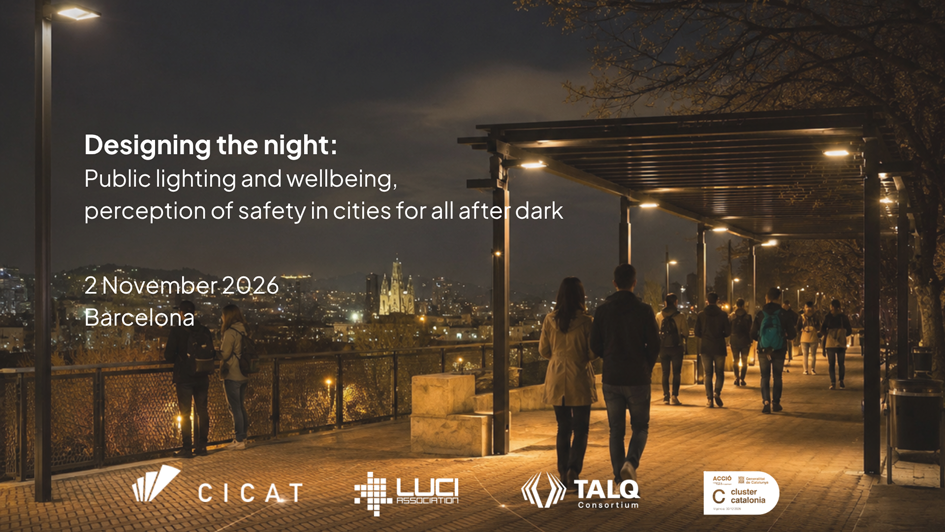
1 April 2026 - 1 April 2026
Webinar: From Poles to Platforms
 follow TALQ